Why You Should Never Clean or Polish Coins Before an Appraisal
QUICK ANSWER: No. Do not clean, polish, dip, or rub old or collectible coins before an appraisal, even if they look dull or dirty. Cleaning removes microscopic amounts of metal from the surface, leaving hairline scratches and an unnatural shine that trained graders can spot almost immediately. A coin that would have graded normally often gets stamped as "cleaned" or "details" instead, and that single word can cut its value by half or more. Bring coins in exactly as you found them and let an appraiser look at them first.
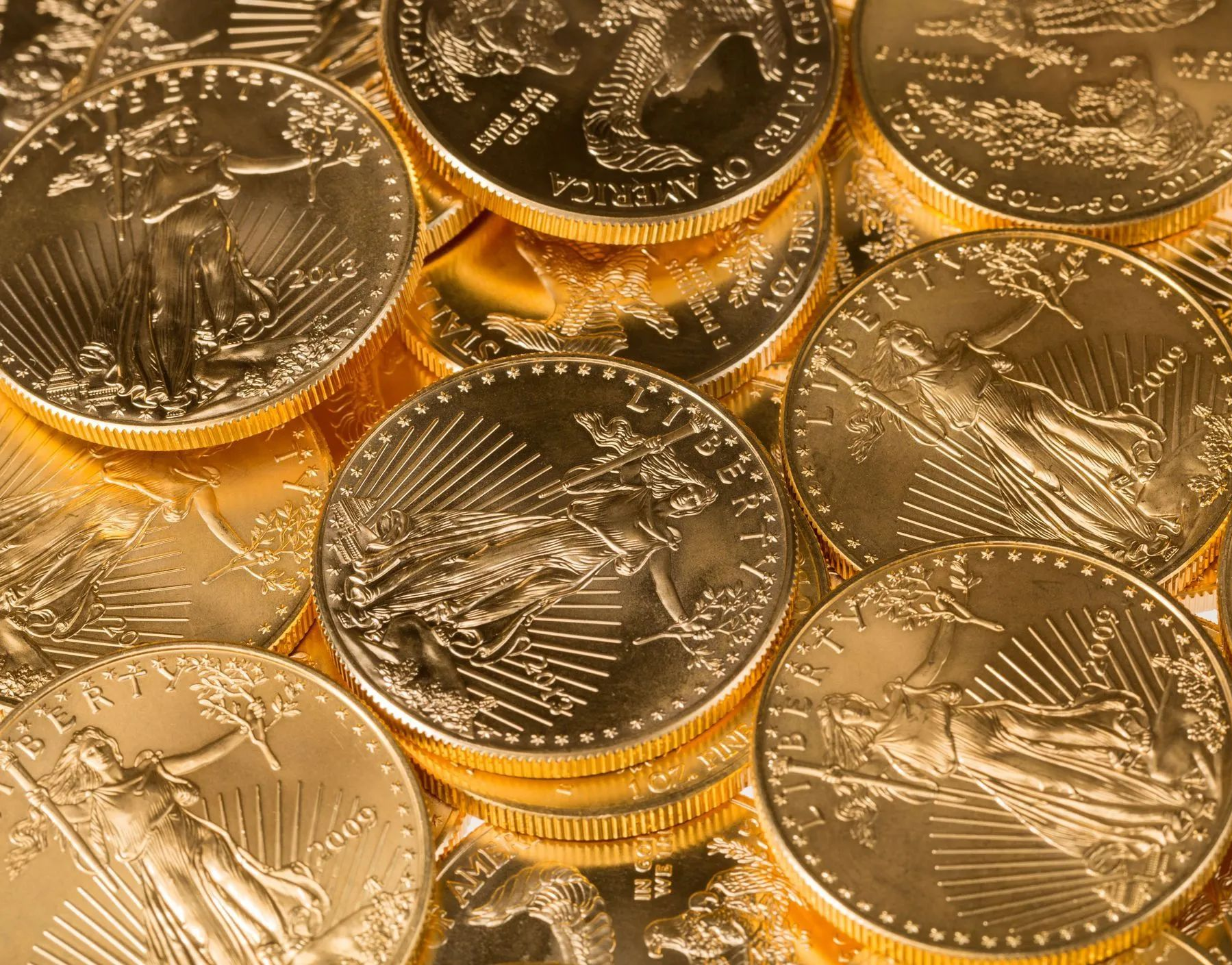
A shoebox of old coins turns up during an estate cleanout, and half of them look dull, spotted, or crusted with decades of grime. Maybe you reach for a soft cloth, a little metal polish, or a splash of vinegar, thinking a shinier coin will impress whoever looks at it next. That single decision, made with good intentions, is usually the moment a coin loses value it never had to lose.
We see this constantly. A family finds a jar of wheat pennies in a dresser drawer, a collector inherits a coffee can of silver dollars, an estate handler is sorting through a lifetime of accumulated currency, and someone along the way decides the coins "need a good cleaning" before anyone official sees them. It comes from a reasonable place. Dirt looks bad. Shine looks good. But coin grading does not work the way a car wash or a kitchen counter does, and treating tarnish like something to scrub away is one of the fastest ways to undo decades of a coin's history in about thirty seconds.
What Cleaning Actually Does to a Coin's Surface
Coins are struck metal, and their surface holds a record of exactly how they were made and how they aged. That record is fragile. According to the American Numismatic Association, the country's oldest numismatic education organization, cleaning damages that surface in three distinct ways, and each leaves a different fingerprint behind.
Abrasive Cleaning
Rubbing coins with cloths, erasers, baking soda, or polish scratches metal surfaces. On uncirculated coins, those scratches disrupt delicate flow lines, reducing appearance and collectible value significantly.
Dipping
Chemical solutions strip metal alongside tarnish, leaving unnatural brightness that conflicts with the coin's age. Repeated dipping can flatten surfaces, creating a chalky, washed-out appearance experienced graders immediately recognize.
Polishing
Buffing coins to create shine rounds tiny design details and wears raised lettering. Bright kitchen lighting may hide damage, but graders using magnification can quickly identify post-mint surface alteration.
None of these effects reverse. Once the metal is gone, it is gone, and no amount of care afterward puts it back. But dirt and old tarnish are a different story entirely, and that difference is the whole point.
Why a Brighter Coin Almost Always Grades Lower, Not Higher
Here is the misconception behind almost every cleaned coin we see: the assumption that a bright, shiny coin looks more valuable than a naturally toned one. Grading services report the opposite is true. A coin with even, natural toning is frequently worth more than a bright one, because toning is proof the surface has never been disturbed.
PCGS, one of the two major third-party grading services in the hobby, has documented this directly. A coin that shows clear signs of cleaning does not get graded on the standard 1-to-70 numeric scale at all. Instead it gets labeled something like "Genuine, Cleaned, XF Details," and its actual market value falls to whatever a buyer is willing to pay for a coin in that condition, often well below where an untouched coin of the same wear level would land. The American Numismatic Association puts a number on the damage: cleaning can cut a coin's value by fifty percent or more, and in severe cases, by as much as ninety percent, because the coin has lost the one thing collectors pay a premium for, which is originality.
That last point matters more than most people realize. Collectors are not just paying for a date and a design. They are paying for proof that the coin has survived, untouched, since the year it was struck. Wipe that proof away and you are left with a coin that has the same metal content but none of the story that made it worth more than melt value.
How Graders Spot a Cleaned Coin in Seconds
Trained eyes catch cleaning fast, and it is not guesswork. The telltale signs are consistent enough that they show up under a jeweler's loupe or a strong raking light almost every time.
Hairline scratches from an abrasive cleaning run in a pattern, usually in one direction, and they cut straight across the coin's natural details rather than following them. There is a technical distinction here worth knowing: hairlines from cleaning are recessed into the surface, while the raised lines sometimes seen from the original minting die are actually part of the design. A grader checks which one they are looking at within seconds.
Rims and the recessed areas around lettering are harder to reach with a cloth or a chemical dip, so a grader will compare those protected spots against the open fields of the coin. Bright, glaring fields next to a toned rim, or a smear of leftover polish residue trapped in the letters, is close to a signed confession that someone tried to clean the coin. We tell every client the same thing before they bring a collection in: if you can see it under your kitchen light, a trained grader is going to see it too, and probably faster.
Left alone, a worn coin still tells the truth. A dirty, dull coin that has never been touched can often grade better than a shiny one that has been scrubbed, because dirt and old tarnish do not, by themselves, remove any metal from the surface.
What To Do Instead Before You Bring a Collection In
The safest move with any coin you think might be worth something is to do nothing at all until someone experienced has looked at it. That is a harder instruction to follow than it sounds, especially with coins that have obviously been sitting in a basement or a garage for decades, but it is the one that protects value.
Handle coins by the edges only, the same way you would handle a photograph or a vinyl record, and keep the fingerprints and skin oils off the flat faces. If you are sorting through a large estate collection, set coins down on a soft cloth rather than a hard countertop, since a single drop onto tile or granite can chip a rim in a way that is just as damaging as chemical cleaning. Store anything you are not immediately bringing in inside paper coin envelopes, cardboard flips, or non-PVC plastic holders, never loose in a bag or jar where coins rub against each other every time the container moves.
If a coin is truly dirty, not tarnished, but covered in actual dust, soil, or debris from being buried or stored in poor conditions, the instinct to rinse it feels reasonable. Resist it anyway. Even plain water can react with the metal or trap moisture against the surface, and there is no way to know which coins in a mixed group might be sensitive to that until someone has evaluated the whole batch first.
For estate handlers working through a relative's belongings, this rule applies to every coin in the collection, not just the ones that look old or rare. A common Lincoln cent from the 1970s will not gain value from cleaning, and a rare early date sitting in the same box could lose most of its value from the exact same treatment. Sort the group by keeping everything intact and let an appraisal sort out what is actually worth something.
If a Coin Has Already Been Cleaned
Sometimes the cleaning happened years or even decades before a coin ever reaches us, done by a parent, a grandparent, or a previous owner who had no idea it would matter. If that is the situation you are in, an appraisal is still worth doing.
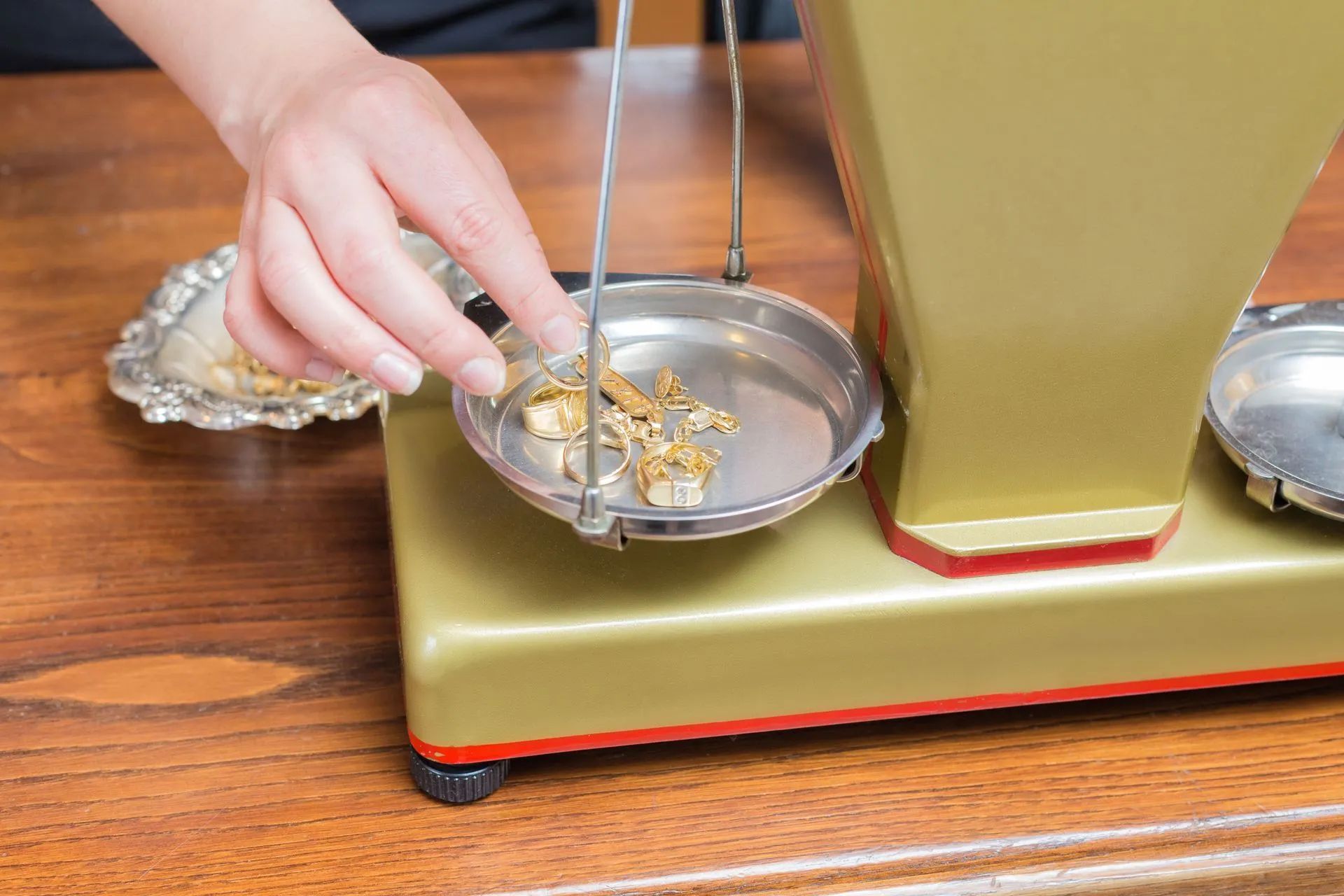
A cleaned coin can still be identified, weighed for its precious metal content if it is a silver or gold issue, and evaluated honestly for what condition category it falls into now. The damage from cleaning is permanent, but knowing exactly where a coin stands, rather than guessing, is still useful information for anyone deciding what to do with a collection. We would rather give you a straight answer about a coin that was cleaned forty years ago than have you assume the worst, or the best, without ever having it looked at.
WARNING: Skip the home remedies you may have seen suggested online or passed down in the hobby, including soaking coins in olive oil, rubbing them with a pencil eraser, or using ketchup, vinegar, or baking soda paste to remove tarnish. Every one of these methods alters the metal surface permanently, and none of them can be undone once applied.
What We Look For During a Coin Appraisal
When you bring a collection in, we score condition and grade on the recognized one-to-seventy scale used across the hobby, weigh rarity, mintage figures, and how many examples of that specific issue are believed to have survived, and account for precious metal content on silver, gold, and platinum pieces. We explain each factor in plain language as we go, so you understand what is driving the number, not just the number itself. Estate collections get sorted carefully so an overlooked key date does not get lumped in with a box of common coins by mistake, and every evaluation happens in front of you, with no pressure to sell anything you bring in.
That last part is worth repeating for anyone nervous about handing over a family collection to a stranger. You watch every coin get examined. You hear the reasoning behind every grade. And if a coin was cleaned before it ever reached us, we will tell you exactly how that affects its standing, without dressing it up or talking around it.
Old coins already carry their history on the surface, in the toning, the wear, and even the grime. Leave that history alone and let someone who does this every day tell you what it actually means.
Frequently Asked Questions
Does cleaning a coin always lower its grade?
In almost every case, yes. Even light cleaning leaves microscopic hairlines or an unnatural surface texture that a trained grader can identify, and grading services will note it as cleaned rather than assign a standard numeric grade.
What if a coin was cleaned decades ago, before I ever owned it?
It can still be appraised. The cleaning is permanent and will affect the grade, but you will still get an accurate read on its precious metal content, rarity, and current condition category.
Is it okay to rinse a coin that is covered in actual dirt, not just tarnish?
No. Even plain water can affect certain coin surfaces, and there is no reliable way to tell in advance which coins in a mixed group might react. Leave dirt and debris exactly as you found them until an appraiser has looked at the coin.
Can I at least wipe dust off with a soft, dry cloth?
Even a soft cloth can leave hairline marks on some coin surfaces, particularly uncirculated pieces. If a coin looks dusty, set it aside and let it be evaluated as-is rather than wiping it first.
How can I tell if a coin has already been cleaned?
Look for bright, glaring fields paired with a duller or toned rim, since rims and recessed lettering are harder to reach with a cloth or chemical dip. Fine parallel scratches running in one direction across the surface are another common sign.
What should I do with a large box of mixed coins from an estate?
Leave everything untouched and bring the whole group in together. Sorting by hand risks cleaning or damaging coins before anyone has a chance to identify which ones are actually valuable.
Let the Coin's History Stay Intact
The instinct to clean an old coin before showing it to anyone comes from a good place, but it works against the very thing that gives a coin its value. Northeast Precious Metals has evaluated collections in Worcester, MA for 60 years, and the pattern never changes: a coin left exactly as it was found almost always grades better and appraises higher than one that got a hopeful scrub first, no matter how dull or dirty it looked sitting in that drawer or shoebox.
Toning, wear, and even old grime are part of a
coin's
record, proof that nothing has disturbed the surface since the day it was struck. That proof cannot be recreated once it's gone. Bringing a collection in untouched, whatever condition it's in, gives an appraiser the full picture and gives the coin itself the best possible chance at an honest, accurate number.
Recent Posts